Key Takeaways:
- Leg swelling is not always harmless: While it can result from simple factors like standing too long or eating salty food, ongoing or one-sided swelling may point to more serious health concerns.
- Certain medical conditions may cause fluid buildup: Heart, kidney, liver, and circulatory issues can all lead to swelling in the lower limbs, especially when they disrupt the body’s ability to manage fluids properly.
- Recognising red flags is crucial: Sudden swelling, especially when accompanied by pain, warmth, or skin changes, could indicate a blood clot or other urgent condition that requires immediate attention.
- Early assessment can support better outcomes: Seeking medical advice when swelling is persistent or unexplained helps ensure timely diagnosis and access to appropriate treatment.
Introduction
Leg swelling is often dismissed as a minor issue. It might come on after standing for hours, sitting through a long journey, or eating a salty meal. In most cases, the swelling goes down with rest. But it could point to something more concerning when it keeps returning, affects only one leg, or appears without a clear cause.
So, is leg swelling serious? It can be, depending on the cause and accompanying symptoms. While some cases are temporary and harmless, others may signal issues with circulation, the heart, kidneys, or liver. In this article, we explore what might cause leg swelling, when it may suggest a deeper problem, and when it’s worth getting medical advice.
What Might Be Causing Fluid Buildup in the Legs?
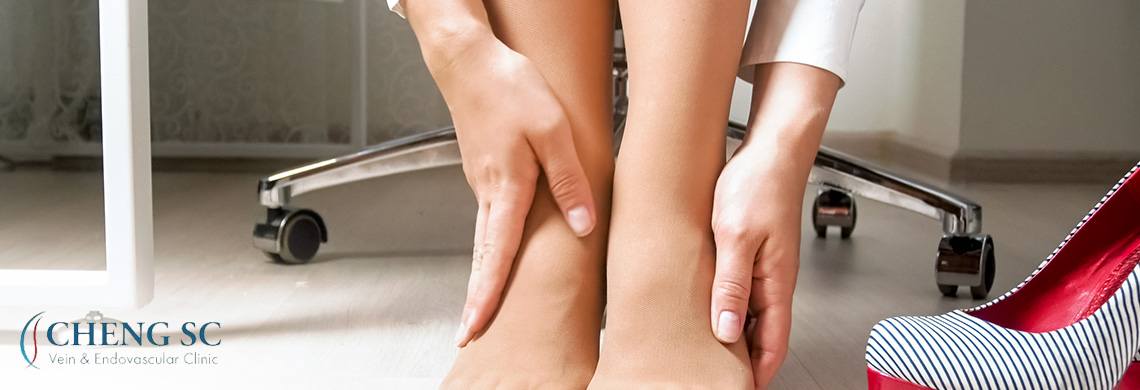
Swelling in the legs, known as oedema, happens when fluid collects in the tissues of the lower limbs. It can be triggered by everyday habits or more persistent problems with circulation or fluid balance.
- Standing or sitting for long periods can slow circulation and lead to temporary swelling
- High salt intake may cause fluid retention, especially in the feet and ankles
- Certain medications, such as those for blood pressure or inflammation, can contribute to swelling
- Veins that aren’t working properly may allow blood to pool in the legs, a condition known as venous insufficiency
Paying attention to when the swelling happens, whether it affects one or both legs and how long it lasts can offer clues about what’s going on. If the swelling doesn’t improve or follows a noticeable pattern, it may prompt the question: is leg swelling serious? In some situations, the answer is yes, and a medical review may be helpful.
When Does Swelling Point to a More Serious Condition?
Swelling that comes and goes may not raise concern, but persistent or unusual swelling can be a sign of something more significant. Several health conditions may affect how the body manages fluid or circulation:
- Heart function: When the heart struggles to pump blood effectively, fluid can build up in the legs, ankles, or abdomen
- Blood clots (DVT): A deep vein thrombosis can cause sudden swelling in one leg, often with pain or warmth
- Circulation issues (PAD): Narrowed arteries reduce blood flow, which may lead to leg pain, swelling, or slow-healing wounds
- Kidney function: When kidney function is impaired, the body may retain excess fluid, leading to swelling in the limbs or face
- Liver conditions: Liver diseases such as cirrhosis can affect protein levels, causing fluid to leak into the surrounding tissues
Swelling that appears alongside symptoms like discomfort, breathing difficulties, or changes in skin colour should be evaluated. A vein clinic may be involved in diagnosis, especially if circulation is suspected as a contributing factor.

How Do You Know If Swelling Is Temporary or Ongoing?
Some swelling fades with rest or lifestyle changes. But not all cases are that straightforward. Recognising the pattern can help determine whether further investigation is needed.
- Swelling that settles after rest, elevation, or cutting back on salt is usually not serious
- If it lasts for days or returns frequently, it may be linked to circulation or organ function
- Swelling that worsens as the day goes on and improves overnight could indicate chronic vein problems
- Sudden, painful swelling, especially in one leg, may suggest a blood clot
- Swelling paired with chest discomfort or shortness of breath should be treated as urgent
If you’ve been wondering if leg swelling is serious, the answer often depends on the bigger picture. A medical assessment is advisable if the swelling is unexplained or follows a recurring pattern.
What Happens During a Medical Evaluation?
When you speak to a healthcare provider about leg swelling, they’ll assess your symptoms through a physical exam and relevant tests to better understand the cause.
- A physical check will look for skin changes, tenderness, or signs of fluid retention
- An ultrasound may be used to examine vein function and rule out blood clots
- If heart involvement is suspected, tests like an echocardiogram may be performed
- Blood tests can assess kidney and liver function and check for signs of inflammation
- Your current medications may also be reviewed to see if they could be contributing to the swelling
In some cases, you may be referred to a vascular specialist for a more targeted evaluation, especially if a vein-related condition is suspected.
When Should You See a Doctor and What Are the Treatment Options?
In many cases, mild swelling that improves with simple measures often does not require urgent care. Still, it’s important to watch for signs that suggest something more persistent.
- Swelling that fades quickly is usually not a cause for concern, but it’s worth monitoring if it becomes a regular issue.
- If it lasts for several days or keeps coming back, a medical review can help rule out ongoing vascular or organ-related causes.
- Sudden swelling with pain, redness, or warmth could indicate a blood clot and should be checked without delay.
Treatment depends on the cause, but common options include:
- Lifestyle changes such as reducing salt, staying well hydrated, and elevating the legs.
- Compression therapy to support circulation and reduce pooling of fluid.
- Medication, which may include diuretics, blood thinners, or drugs aimed at improving circulation.
- Procedures or surgery when conditions like venous insufficiency or artery blockages are present.
If you’re asking yourself whether leg swelling is serious and symptoms are not improving, it may be time to consult a vascular surgeon for further assessment.

Should You Be Concerned About Leg Swelling?
Leg swelling is often short-lived, particularly after extended periods of sitting, standing, or travel. However, when it becomes persistent, gradually worsens, or appears without a clear reason, it raises the question: is leg swelling serious? In many cases, it may indicate an underlying condition that requires medical evaluation.
UNITAS Vein and Endovascular Clinic in Singapore provides diagnostic and treatment services for individuals experiencing vascular symptoms, including leg swelling, vein conditions, and circulation-related concerns. Our team offers assessments tailored to help patients better understand their symptoms and consider appropriate care options.
If your leg swelling hasn’t improved or you’re concerned about what it might mean, book an appointment today. Get a professional evaluation and take control of your vascular health.