
Amputation Prevention
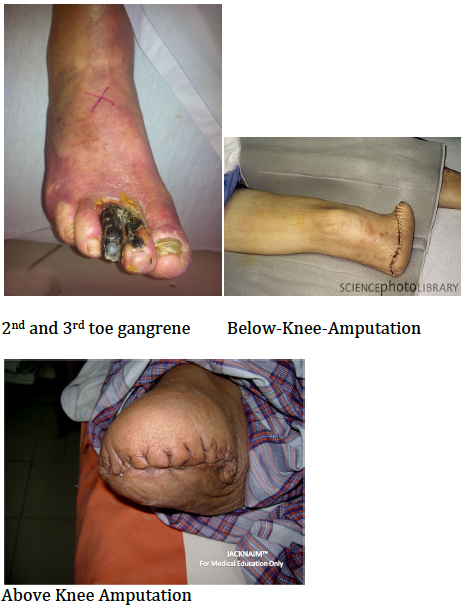
Patients with diabetes are at higher risk of amputations because of the damaging effects of diabetes on the patient’s nerves, arteries and immune (defense system against infection) system resulting in non-healing wounds can potentially lead to tissue death or gangrene.
Diabetic Foot Management
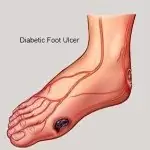
Diabetes mellitus is a group of diseases that affects how the body uses blood glucose. When the body does not produce enough insulin or when cells do not respond to the insulin produced, the person has high blood sugar or diabetes mellitus. Having diabetes changes your physical ability to fight infections and people with diabetes often have to deal with many side effects. The most common, and critical is the diabetic foot. A diabetic foot is subject to damaged nerves, sores, and infections. Sometimes the infections are so severe that they can go into the bones and develop deformities.
Angioplasty
Angioplasty is done to widen the passageway of blood in cases of occlusion due to plaque deposits such as cases of atherosclerosis. The procedure is done in the operating room and may take several hours depending on the severity of the patient’s condition. It is a complex procedure where small cuts of about 5 cm is made in the groin for the stent graft to be inserted into the aorta to prevent the aneurysm (a ballooned artery) from further swelling or rupturing.
Sclerotherapy
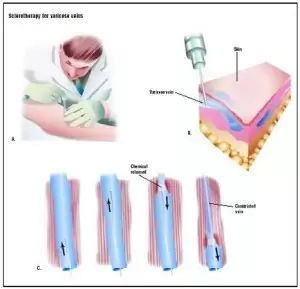
Sclerotherapy in Singapore, is a medical procedure used by doctors to get rid of spider veins and varicose veins. The procedure involves the injection of a salt solution under the skin into the vein, where it reacts with the lining of the blood vessel, causing it to eventually clot and then completely disappear. Sclerotherapy has been around for almost 80 years and is proven safe and effective.
Radiofrequency Ablation
Radiofrequency ablation is one of the latest, minimally invasive varicose veins treatments. Ablation is a procedure where the surgeon makes use of heat or laser energy to damage the tissues. This leads to the formation of scar tissues, which closes the vein. The Radiofrequency procedure differs from EVLT as it makes use of radiofrequency energy instead of laser energy to heat as well as damage the walls inside the vein. This generally helps to close off the varicose vein. In this procedure, radiofrequency energy is directed via a thin tube called catheter, which is inserted in the vein through a small incision. This ablation process can also be used on large veins in the legs and can be performed in an office setting by using a mild sedative or local anesthesia. The entire procedure takes about 45-60 minutes. However, if multiple veins are required to be treated on both the legs then the patient may have to undergo numerous treatments on different days, spanning across 4-6 weeks.
ClariVein®
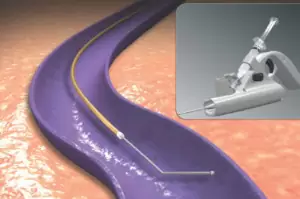
ClariVein® is the latest endovascular procedure pioneered in the USA with internationally recognised surgeons to treat Varicose Veins and venous diseases. In 2012, our doctor was the first vein doctor in the private healthcare sector to conduct this treatment in Singapore.