Key Takeaways:
- Shoes that are tight or lack support may affect how blood moves through the legs and feet, potentially leading to discomfort or fatigue over time
- Footwear that allows for natural movement and even weight distribution can reduce pressure on the lower limbs, helping to maintain day-to-day comfort.
- Common styles like flat sandals, heavy shoes, or rigid soles may contribute to tiredness or swelling, especially when worn for long hours.
- Making minor adjustments such as stretching regularly, switching between different pairs of shoes, and using compression socks may help manage leg discomfort linked to daily footwear habits.
Introduction
When choosing shoes, most people focus on comfort, appearance, or daily practicality. However, footwear can affect more than how you stand or move. It may also affect how blood flows through your legs and feet, particularly if the fit or structure limits natural movement.
Shoes that fit poorly, offer little support, or are not well designed may place added pressure on the lower limbs. Over time, this may contribute to swelling, heaviness, or general discomfort, especially for those already dealing with vein-related concerns. Whether you’re managing ongoing symptoms or simply aiming to maintain better circulation, your shoes can play a meaningful role.
This article explores how footwear and vein health are connected, and what to consider when choosing shoes that support everyday comfort and mobility.
Can Shoes Interfere with Blood Flow?
Shoes that restrict movement or apply too much pressure can affect how blood flows from the legs back to the heart. Designs with narrow toe boxes or tight ankle areas may press on smaller blood vessels in the feet, especially when worn for long periods. This may lead to swelling or make existing circulation issues more noticeable over time.
Footwear with rigid soles can also limit your foot’s natural flex, making walking less comfortable and more tiring. These changes often develop gradually, but they can affect mobility and how your legs feel day to day. If you’re unsure whether your symptoms are related to circulation, a vascular specialist can help assess the situation and offer guidance.
How Are Shoes Linked to Circulation?
The calf muscles play an essential role in helping blood flow upward through the veins, acting as a natural pump during movement. When shoes limit ankle flexibility or alter how you walk, this pumping action may become less effective. Low-heeled shoes tend to support more natural movement, helping the leg muscles stay active throughout the day.
Good arch support helps spread weight more evenly across the foot, which can reduce strain on specific areas. In the context of footwear and vein health, well-cushioned insoles can offer added comfort and reduce strain on the lower legs, especially during long hours of standing or walking.
Could Everyday Shoe Choices Be Making Things Worse?
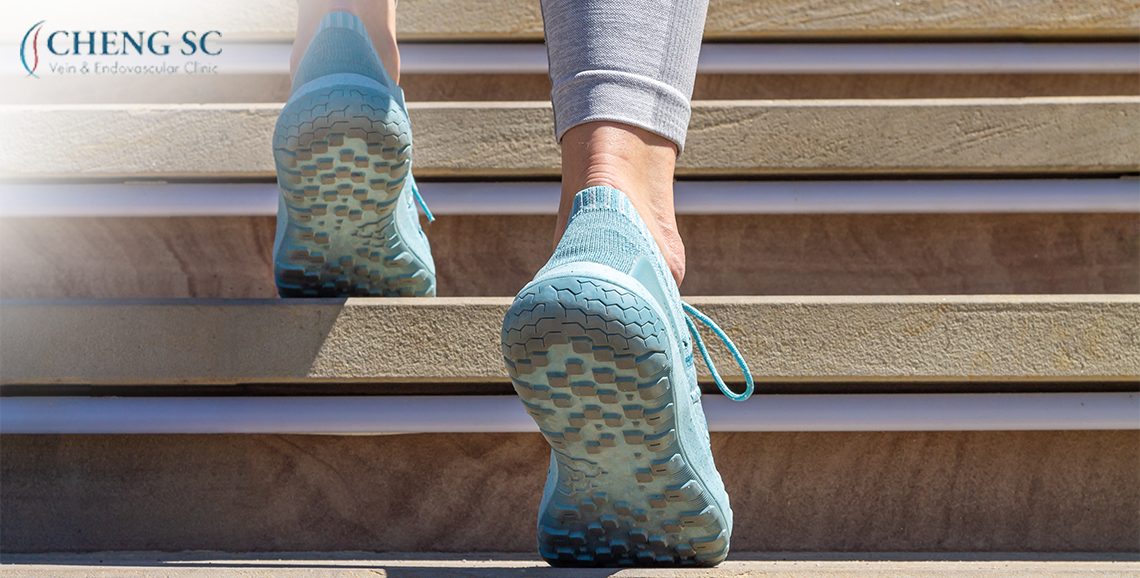
Some everyday footwear choices may place extra strain on the legs and feet. While flip-flops and flat sandals are easy to wear, they often lack the support needed for extended use. Without proper arch or heel stability, the lower limbs may need to work harder, contributing to tiredness or swelling by the end of the day.
Over time, these factors can affect overall mobility and comfort. For those exploring the connection between footwear and vein health or experiencing persistent symptoms, speaking with a professional at a vein clinic may help clarify what’s contributing to the issue.
What Shoes Help Support Vein Health?
Footwear that supports circulation doesn’t need to be bulky or overly specialised. Well-cushioned trainers or athletic shoes often provide stability during movement while helping to absorb impact. Lace-up ankle boots may also offer balanced support by distributing weight more evenly across the foot.
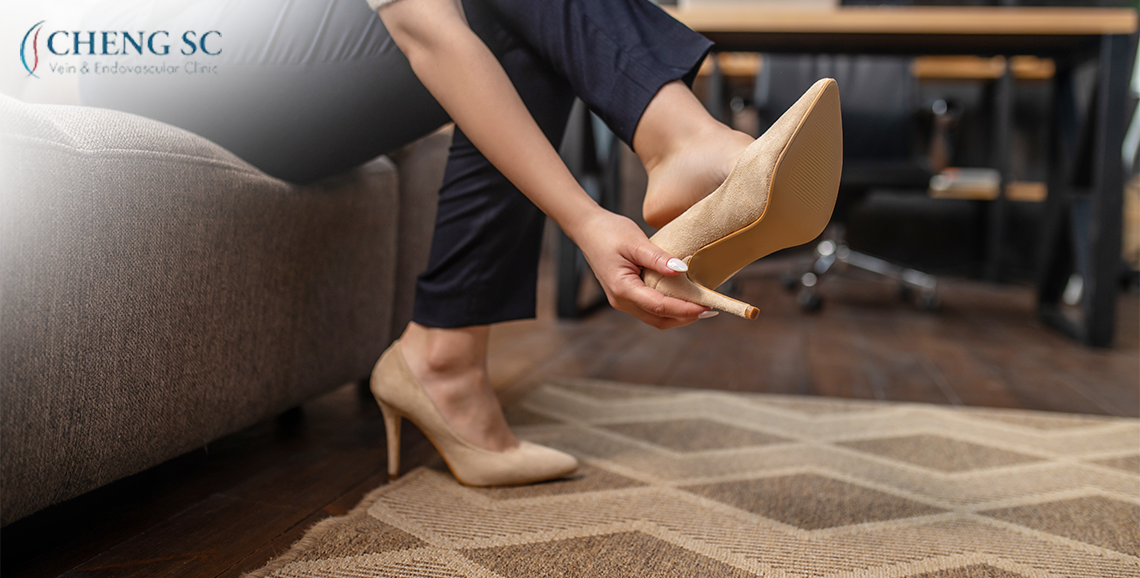
For those who experience occasional swelling, slip-on shoes with elastic panels or adjustable straps can provide a more flexible fit. Low-heeled dress shoes are generally more comfortable for circulation than high heels, as they encourage a more natural foot position. Adding cushioned insoles or orthotics can further reduce strain on the lower legs and improve overall comfort during daily wear.
What Daily Habits Can Help Circulation?
Alongside thoughtful footwear choices, small daily habits can make a noticeable difference in how your legs and feet feel. Wearing compression socks may help if you spend long periods sitting or standing, while rotating your shoes throughout the week can reduce repeated pressure on the same areas. Stretching your legs and ankles regularly supports mobility, especially if your footwear is more structured for work.
Wearing shoes made from breathable materials may help regulate temperature and minimise swelling in the feet. Staying well-hydrated and gently massaging your calves and feet at the end of the day may also ease tension. If you’ve noticed persistent discomfort and are unsure about the cause, speaking with a vascular surgeon can provide helpful insight into how lifestyle and footwear relate to vein health.
Take the Next Step Towards Healthier Circulation
If you’ve been experiencing swelling, heaviness, or ongoing discomfort in your legs or feet, your footwear could be one contributing factor. Rather than leaving it to guesswork, speaking with a healthcare professional who can assess your situation and offer informed guidance based on your daily habits may be helpful.
At Cheng SC Vein and Endovascular Clinic, we support individuals navigating concerns related to circulation, including those exploring the connection between footwear and vein health. Our team provides diagnostic assessments and personalised recommendations that reflect each person’s needs and routine.
Book a consultation today to explore your options and get personalised insights based on your lifestyle and symptoms.