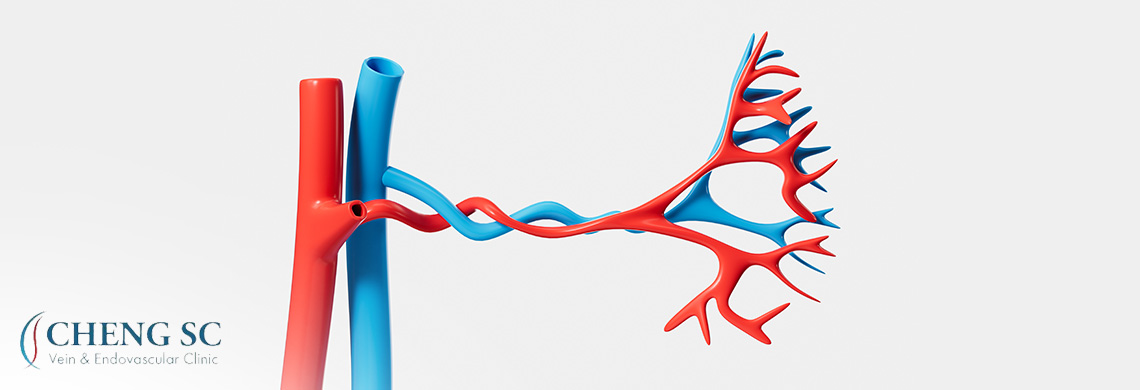
What is Venous Diseases?
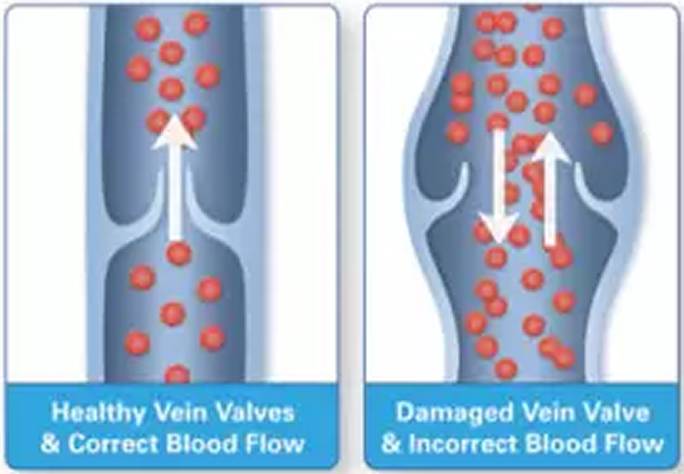
In the circulatory system, veins are blood vessels that carry blood towards the heart and valves regulate that blood only flows in one direction. Venous diseases are ailments related to or created by veins or valves that are not functioning properly. Among the adult population, about 35% of women and 20% of men have venous diseases such as spider veins and varicose veins. Venous diseases can range from mainly superficial problems such as spider veins to life threatening ones with complications from deep vein thrombosis and chronic venous insufficiency.
There are three classifications of veins: superficial vs deep, pulmonary vs systemic, and large vs small. Superficial veins are those close to the surface of the skin and carry about 10% to 15% to your legs. Deep veins are deeper in the body and have corresponding arteries, carrying 85% to 90% of the blood back to your heart. Pulmonary veins bring oxygenated blood from the lungs to the heart while systemic veins bring deoxygenated blood from other parts of the body to the heart.
When the vein walls are unhealthy, or when the valves are weak or damaged, the circulatory system fails to function normally and blood starts to flow backward when your muscles relax. This results in unusually high pressure in the veins, leading to more stretching, twisting, and swelling of veins. The abnormal veins with their unhealthy blood flow leads to conditions known as venous disease. Spider Veins are the earliest manifestation of vein disease. Venous diseases include:
Factors that create higher risks for venous disease include:
Varicose veins can affect anyone, but certain factors increase the likelihood of developing them:
Gender
Women, particularly during pregnancy, are more prone due to hormonal changes.
Being overweight
Extra weight puts added pressure on the veins, increasing the risk.
Prolonged standing or sitting
Women, particularly during pregnancy, are more prone due to hormonal changes.
Family history
If varicose veins run in your family, you’re at a higher risk.
Age
As we age, vein valves weaken, making varicose veins more likely to occur.
Lifestyle Factors
Lack of exercise, smoking, and poor circulation can contribute to the development of varicose veins.
Why must I seek treatment for Venous Diseases?
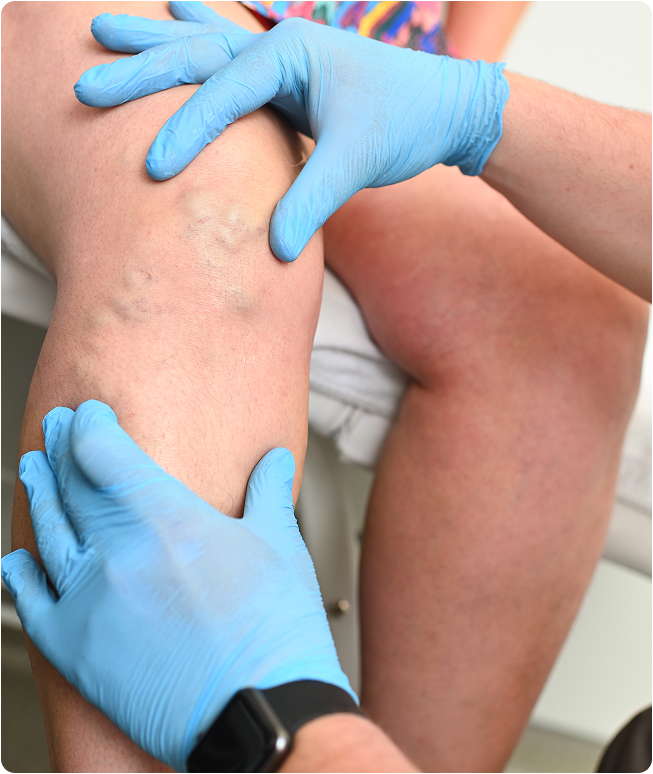
Many people think that venous diseases such as spider veins and varicose veins is an aesthetic problem but they do not realise that it is a real medical problem. If left untreated, 20% of patients with varicose veins will experience swelling, pigmentation, eczema and formation of ulcers. There are many reasons why you should seek a consultation first and decide later on the treatment method. As the venous disease becomes more severe, you may experience major discomfort such as aches, cramps and swelling, especially around your ankles. Venous diseases is usually progressive and they will not recede with self-care remedies. While compression stockings, medication, cream and leg elevation will alleviate the symptoms and prevent varicose veins from getting worse, these treatments will not cure your disease. Moreover, in the hot and humid weather in Singapore, compression stockings may not be the best option as you are required to wear it the whole day except when you are lying down.
If you see any skin colour changes around the ankle, it can be a sign that that your varicose veins are rather serious and there are substantial risk that it may became leg ulceration. By then, treatment can only stop your condition from deteriorating and cannot reverse your skin changes. If you get cuts and/or wounds, these wounds may not heal properly and end up getting infected resulting in amputations. If you have medical insurance, varicose veins should be a medical condition covered by your insurance.
Why choose varicose vein treatments by our doctors?
Depending on the severity of your vein problems and your health conditions, there are different types of available vein treatments or you may not need any treatment. Being among the few vascular and endovascular trained surgeons who is also trained in sonography (vascular ultrasound) examination in Singapore, our doctor can provide comprehensive services from diagnosis to treatment. With the ultrasound available in our clinic, our doctor is able to do the ultrasound personally during the same consultation instead of making another appointment with a technician. This allows our doctor to explain the results to you immediately and prescribe a customised treatment for you that is best suited for your body and preferences. Our clinic always adopts the minimally invasive vein treatments such as Clarivein, EVLT or Radiofrequency Ablation to reduce the recovery of our patients.